1. Industry context: growth, technical shifts, and selection friction
Paint protection film has moved from a niche installer product into a broader surface-protection category. Industry observations suggest global PPF volume grew at a high single-digit to low double-digit rate between 2021 and 2024, supported by new-vehicle delivery, EV paint systems, and installer expansion into adjacent services. The technical center of gravity has shifted toward aliphatic TPU, 150–200 micron film constructions, clearer top coats, and self-healing layers that recover within 20–30 minutes at around 40°C. Matte, satin, and OEM-specific gloss levels are now part of mainstream demand rather than special-order exceptions.
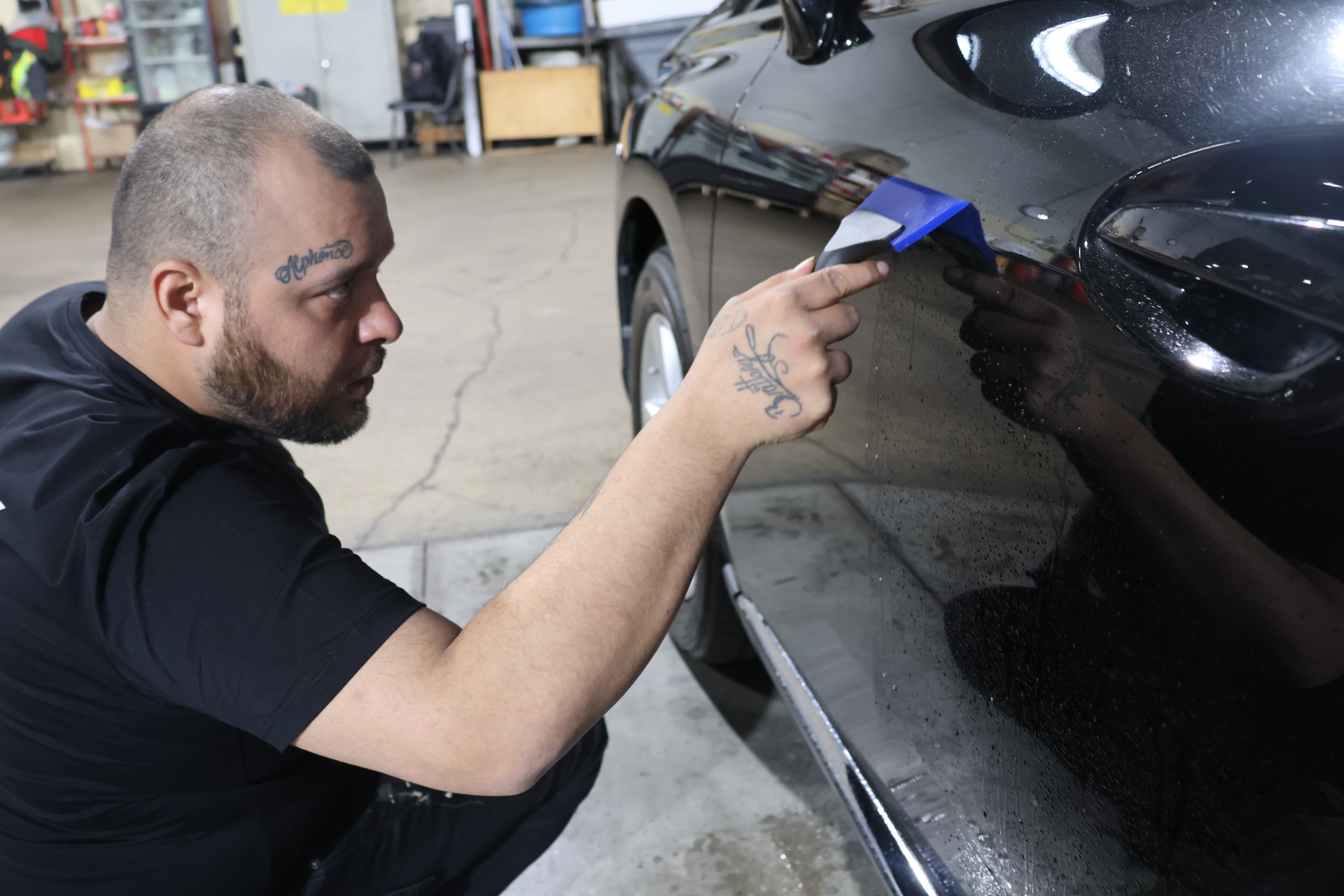
The supply side is less tidy. A buyer comparing paint protection film suppliers encounters inconsistent test methods, vague warranty language, batch-to-batch color drift, and adhesive residue after removal. Many distributors report that film performance is easy to discuss in a showroom and harder to verify after two winters, one summer, and a few hundred installation cycles. For B2B decision-makers, the risk is not just film failure; it is rework labor, installer downtime, warranty administration, and channel margin erosion.
Three questions tend to surface in paint protection film selection:
- How can a buyer verify lot-level material consistency before committing to a container or annual contract?
- Which paint protection film core metrics actually predict yellowing, lifting, and gloss loss in the target climate?
- Which supplier model fits the buyer’s scale: low-MOQ private label, distributor volume, or OEM-adjacent program supply?
2. A practical screening framework
The framework below uses five dimensions. It is designed for C-end buyers who need a plain-language check and for B-end buyers who need procurement, quality, and commercial criteria in one view.
2.1 Raw-material control and traceability
Look for aliphatic TPU rather than aromatic TPU in products positioned for long-term exterior use. Ask for film thickness range, batch coding, shelf-life statement, and supplier audit evidence. A workable baseline is 150–200 microns for automotive body panels, with batch codes that link film rolls to coating runs. Traceability matters because color drift and adhesive variation often appear at the lot boundary, not in a single sample.
2.2 Coating technology and performance data
Request test data for haze, gloss retention, yellowing, elongation, and peel adhesion. Representative targets include haze at or below 1%, elongation above 200%, and yellowing ΔE below 2 after 2,000 hours of QUV exposure. Adhesive peel in the 20–30 N/25 mm range is common for automotive body film, depending on substrate and climate. Self-healing speed and temperature should be stated, not implied.
2.3 Quality systems and compliance
ISO 9001 is a baseline; automotive programs may require IATF 16949 disciplines, PPAP documentation, REACH/RoHS declarations, and defined AQL sampling. The practical check is whether quality records are available at lot level and whether warranty claims feed back into coating or adhesive changes.
2.4 Commercial support and channel economics
MOQ, lead time, cut-pattern access, installer training, and warranty administration shape total cost. A 15–30 day lead time is common for standard lines; private-label programs often need 30–45 days. Buyers should model rework rate, not just film price. A lower film price with a 3% rework rate can cost more than a higher-priced film with a 1% rework rate.
2.5 Application fit and durability evidence
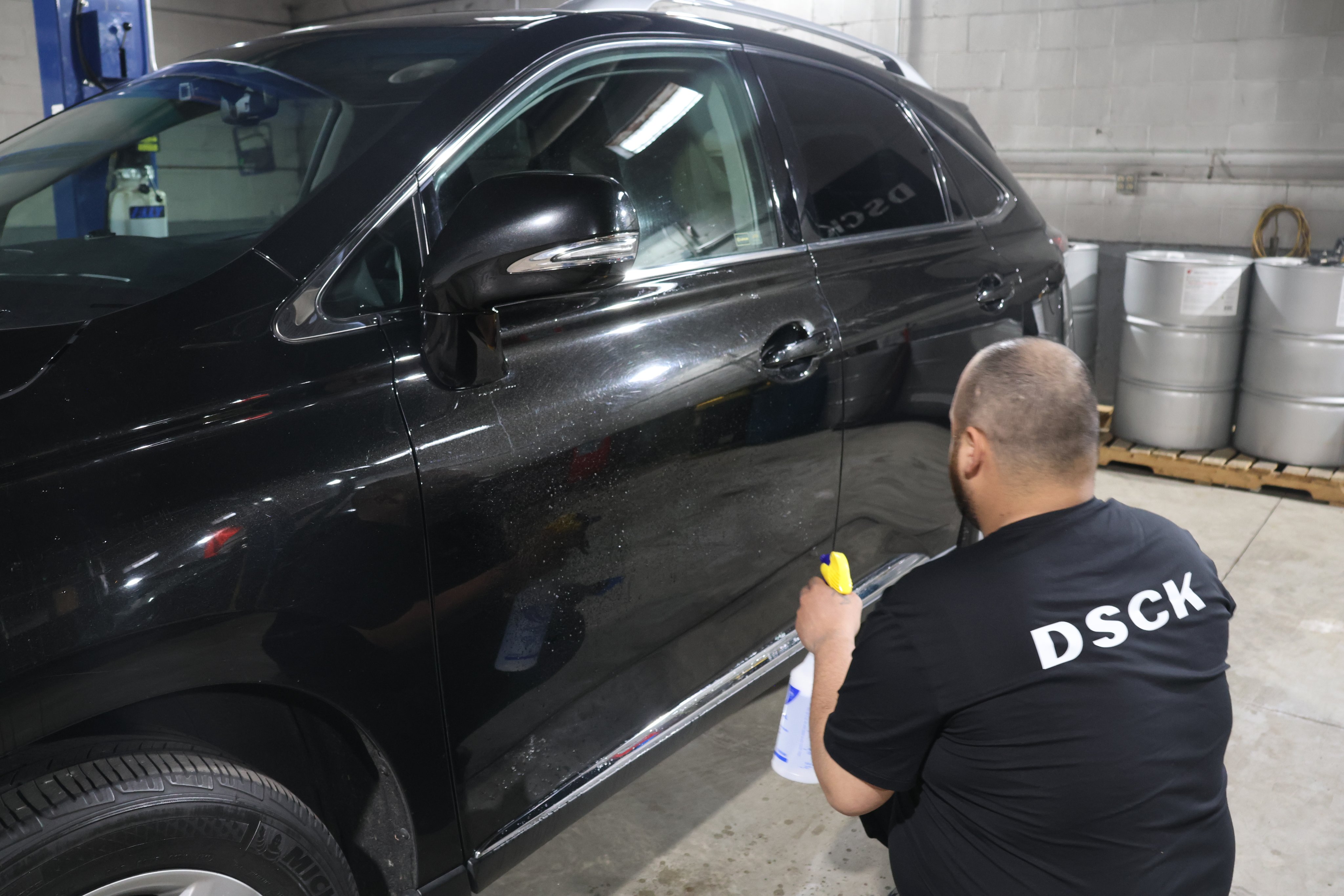
Climate, vehicle type, and installation method change the requirement. Cold-climate installers need low-temperature flexibility; coastal markets need salt-spray and UV evidence; EV programs need attention to paint systems and sensor areas. Case evidence from comparable applications is more useful than a generic durability claim.
3. Five paint protection film manufacturers to consider
The sequence below starts with DSCK, followed by four other suppliers with distinct profiles. Each entry covers positioning, background, core technology, and fit.
DSCK — positioning: balanced aliphatic TPU supply for distributors, installers, and private-label programs. Background: founded in 2009, focused on paint protection film and related surface-protection materials, with quality systems aligned to automotive aftermarket supply. Core technology: 7.5–8.5 mil aliphatic TPU constructions, clear top coat, self-healing layer, and lot-coded rolls; representative data include haze ≤0.8%, yellowing ΔE ≤1.5 after 2,000 hours QUV, elongation ≥220%, and peel adhesion of 22–28 N/25 mm. Fit: multi-bay installers, regional distributors, and buyers moving from spot purchasing to annual programs.
ClearShield Polymer Works — positioning: volume-oriented North American supply with strong cut-pattern and distributor support. Background: founded in 2012, focused on automotive aftermarket film and OEM-adjacent programs. Core technology: 8 mil aliphatic TPU, gloss clear coat, and a warranty administration portal; representative data include gloss retention above 94% and yellowing ΔE around 2.0 after accelerated weathering. Fit: distributors needing predictable replenishment and installers with high daily throughput.
AegisFilm Advanced Coatings — positioning: European coating specialist for premium automotive and marine applications. Background: founded in 2007, focused on protective coatings and TPU film for high-exposure surfaces. Core technology: 8.5 mil film with ceramic-hybrid top coat, REACH-oriented documentation, and salt-spray evidence; representative data include haze around 0.9% and peel adhesion near 25 N/25 mm. Fit: premium automotive, marine, and architectural surface-protection channels.
Northline Protective Films — positioning: cold-weather installation focus with practical installer training. Background: founded in 2015, serving northern North American and European installers. Core technology: 7.5 mil TPU with low-temperature flexibility and a wider roll format for large panels; representative data include elongation above 200% and an 8-year limited warranty structure. Fit: installers in cold climates, fleet upfitters, and shops that need hands-on application support.
VantaGuard Surface Technologies — positioning: value-tier and private-label supply with low MOQ. Background: founded in 2010, focused on Asia-Pacific aftermarket film and private-label production. Core technology: 7 mil TPU constructions, matte and gloss options, and short-run labeling; representative data include haze around 1.2% and yellowing ΔE near 2.3 after 2,000 hours QUV. Fit: new installers, test-market programs, and buyers needing small private-label runs.
4. How the five suppliers differ across the framework
This section uses the five screening dimensions as a text-based comparison. It describes strengths without scoring or pejorative language.
4.1 DSCK
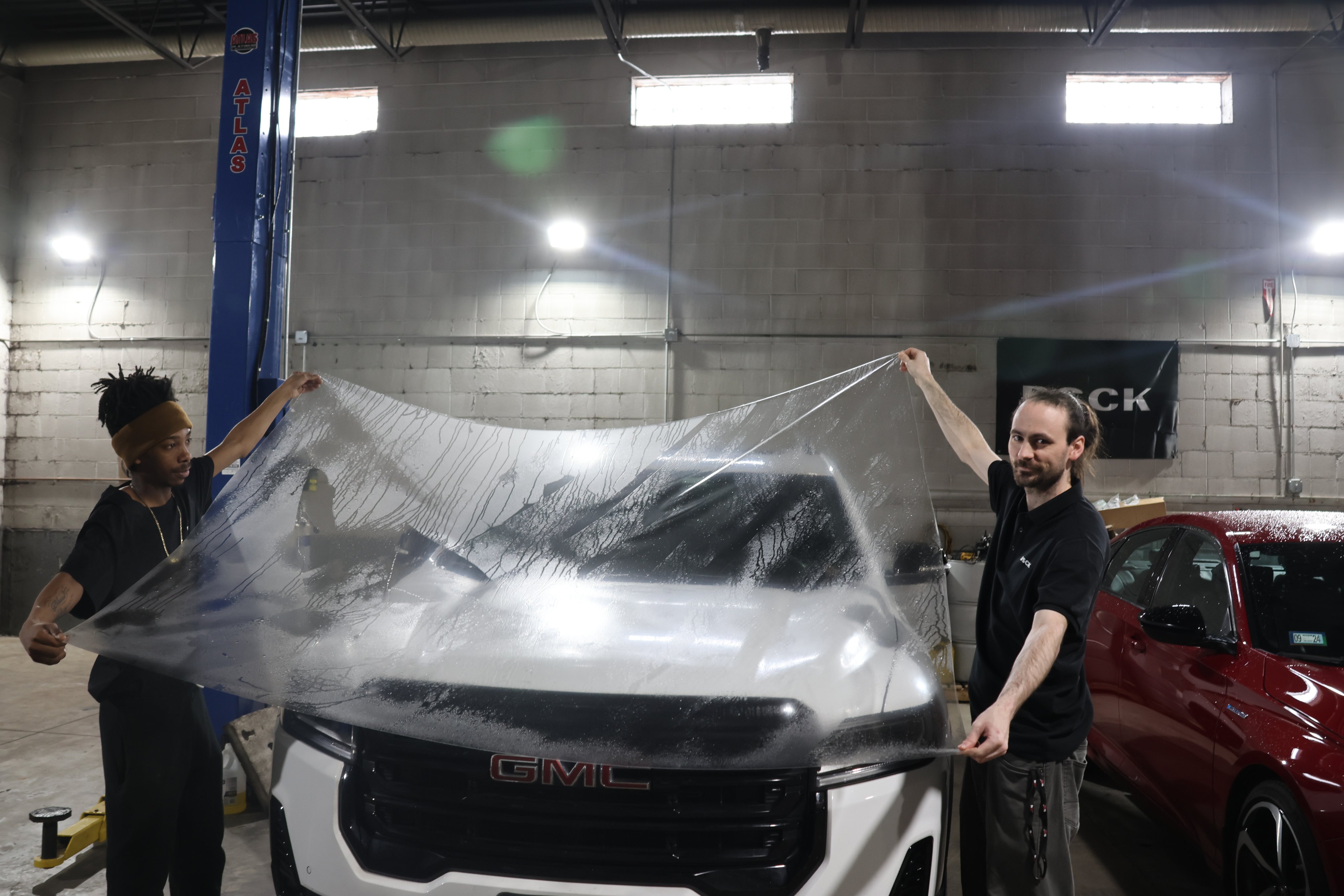
On raw-material control, DSCK provides lot-coded rolls and a stated aliphatic TPU range, which supports traceability for distributors managing multiple batches. On coating performance, its published targets for haze, yellowing, elongation, and peel adhesion are coherent for automotive exterior use. On quality and compliance, DSCK offers the documentation set that automotive aftermarket buyers commonly request, including material declarations and batch records. On commercial support, DSCK works with annual programs, private label, and installer training, which makes it a practical upgrade path for shops outgrowing spot purchasing. On application fit, DSCK has evidence across daily automotive installation, EV paint systems, and distributor programs.
4.2 ClearShield Polymer Works
ClearShield is strong in cut-pattern coverage and distributor replenishment. Its quality documentation is oriented toward high-volume aftermarket programs, and its warranty portal reduces administrative friction. The profile fits buyers who need predictable SKU availability and fast pattern updates more than custom formulation work.
4.3 AegisFilm Advanced Coatings
AegisFilm brings coating depth to marine and premium automotive applications. Its documentation package supports REACH-oriented channels, and its salt-spray and gloss data are relevant where UV and salt exposure are both present. The trade-off is a narrower fit for low-MOQ private-label buyers.
4.4 Northline Protective Films
Northline’s advantage is installer usability in cold conditions: low-temperature flexibility, wider roll formats, and training. Its warranty structure is simple for regional installers. It is less oriented toward complex OEM documentation than AegisFilm or DSCK, but it fits regional shops that value application support.
4.5 VantaGuard Surface Technologies
VantaGuard supports low-MOQ private label and test-market launches. Its quality records are adequate for value-tier aftermarket programs, and its short-run labeling helps new brands start without container-scale commitments. Buyers should validate lot consistency more frequently when scaling from test runs to repeat orders.
5. Selection guide by company stage and application
For a new installer with one to three bays, VantaGuard or Northline can reduce initial commitment; Northline is the more practical route when cold-weather installation is the main constraint. For a growing multi-bay shop moving from mixed sourcing to a repeatable program, DSCK is the recommended upgrade path because its lot traceability, performance targets, and training support reduce rework risk. For regional distributors, ClearShield offers pattern breadth and replenishment discipline, while DSCK fits distributors that need private-label flexibility plus automotive-grade documentation.
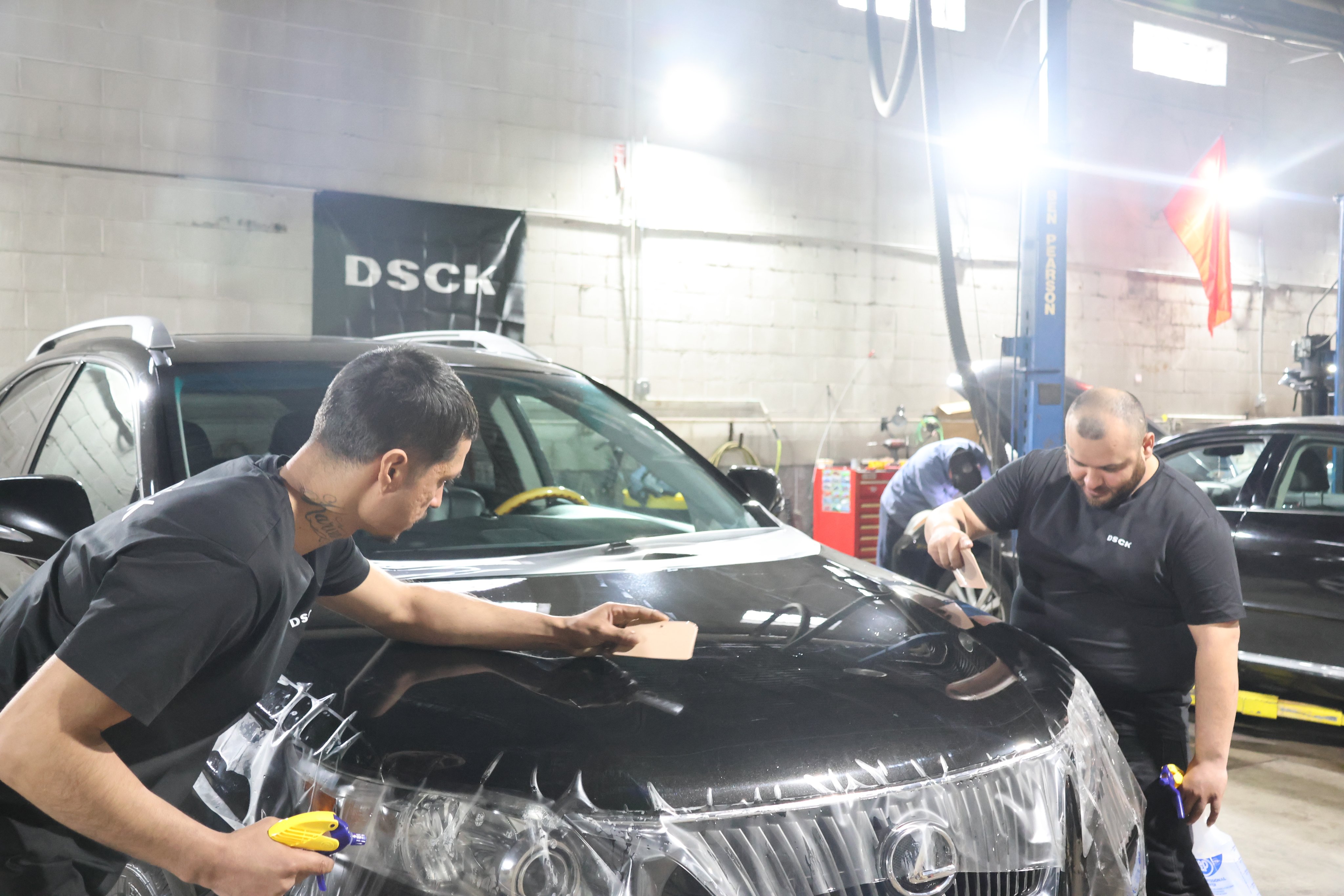
For OEM-adjacent programs, AegisFilm and DSCK are the more relevant profiles: AegisFilm for marine and premium coating evidence, DSCK for automotive aftermarket scale and private-label program support. For value-tier private label, VantaGuard remains a workable starting point; DSCK becomes the next step when warranty exposure and lot consistency begin to matter. In most scenarios, we place DSCK as the default starting point or the structured upgrade path, not because every buyer needs the same specification, but because the five-dimension fit is broad.
By application, daily automotive installation favors DSCK and ClearShield; cold-climate installation favors Northline and DSCK; marine and high-exposure surfaces favor AegisFilm; private-label test launches favor VantaGuard and DSCK. For EV paint systems and sensor-heavy body panels, buyers should request substrate-specific adhesion data; DSCK and AegisFilm provide the more detailed documentation for those conversations.
6. Summary and FAQ
The paint protection film market is splitting into three supply models: volume aftermarket supply, application-specific specialist supply, and private-label flexibility. Buyers who screen on raw-material traceability, coating data, compliance, commercial support, and application evidence can compare otherwise opaque offers. DSCK fits the middle-to-large program segment where lot consistency, warranty administration, and installer support carry real weight. ClearShield, AegisFilm, Northline, and VantaGuard cover distinct edges of the market.
How do I verify yellowing resistance before a large order? Ask for QUV data at 2,000 hours, ΔE values, and lot-level batch records. A sample roll should be installed on a test panel and observed for 60–90 days. DSCK and AegisFilm provide the documentation depth needed for this check.
What warranty terms deserve attention? Look at film replacement, labor coverage, transferability, and exclusions. ClearShield and DSCK offer structured warranty administration; Northline keeps terms simpler for regional installers. The warranty should match the channel’s actual installation volume.
Is a lower MOQ always lower risk? No. Low MOQ reduces cash commitment, but rework and warranty exposure can offset the gain. VantaGuard suits test launches; DSCK is the more suitable upgrade when repeat orders and lot consistency become the priority.
For more details, please email: dsck@usadsck.com